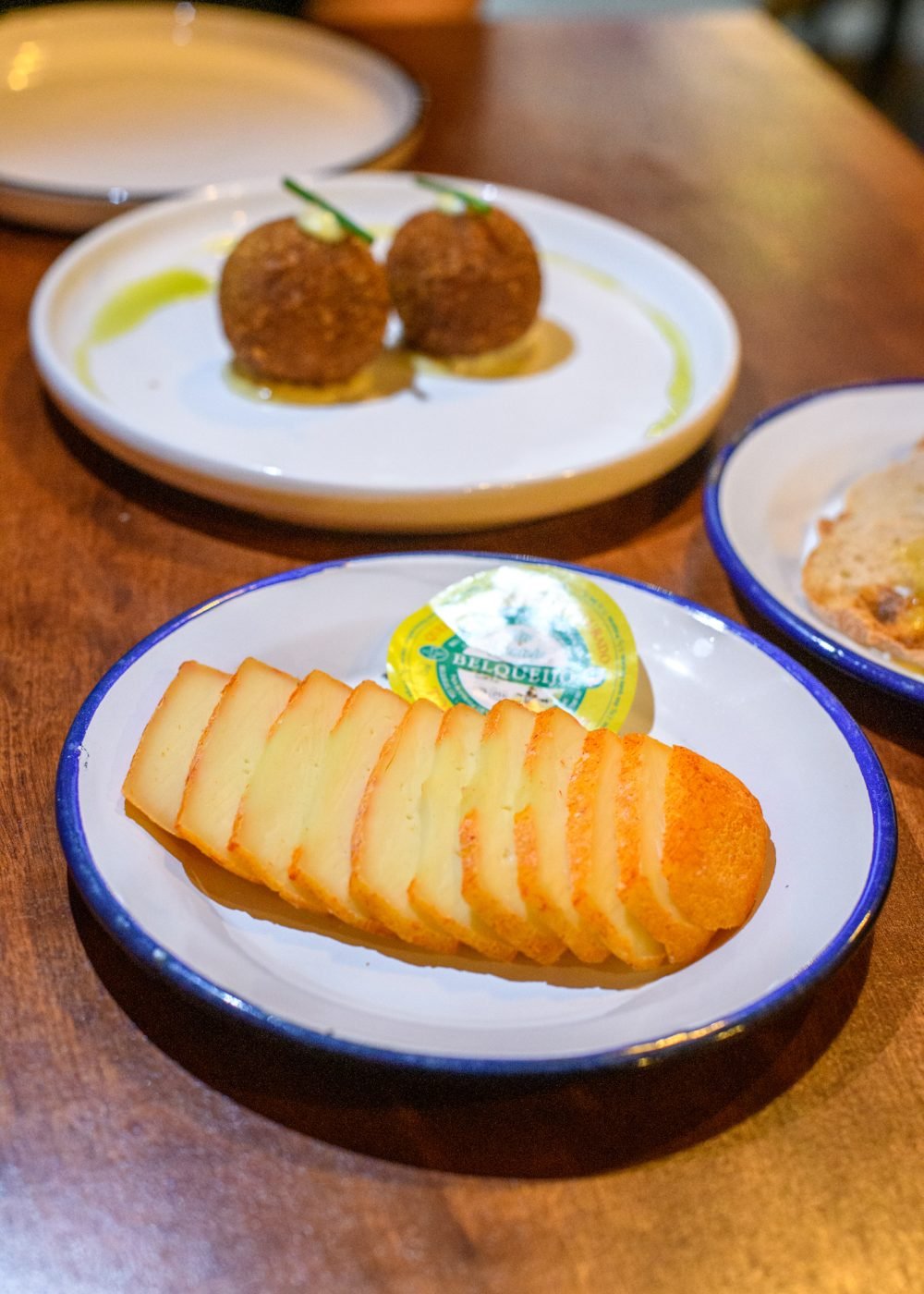
Lisbon's historic heart is a maze of charming alleys and bustling squares, and nowhere does the city's culinary soul shine brighter than in its petiscos. Forget rigid dining schedules; finding the best petiscos in Lisbon Center means embracing a delicious, social ritual of small plates, each bursting with authentic Portuguese flavor. This isn't just about eating; it's about petiscar – grazing, sharing, and savoring the moment with good company and a glass of local wine.
At a Glance: Your Petisco Playbook for Lisbon Center
- Understand the Petisco Ethos: Learn what makes petiscos uniquely Portuguese, distinct from tapas, and how to approach them like a local.
- Navigate the Culinary Map: Pinpoint the best neighborhoods and specific spots in central Lisbon for iconic dishes and hidden gems.
- Master the Must-Trys: Discover essential petiscos from seafood to savory meats, along with vegetarian-friendly options.
- Pair Like a Pro: Get recommendations for drinks that perfectly complement your small plates, from Vinho Verde to local beers.
- Optimize Your Experience: Learn tips for ordering, sharing, and making the most of your petisco adventure, including budget considerations.
- Spot the "Real Deal": Identify authentic tascas and petisqueiras versus tourist traps, ensuring a genuine taste of Lisbon.
The Heart of Portuguese Sharing: What Exactly are Petiscos?
Before diving into specific recommendations, let's clarify what defines a petisco. Unlike their Spanish counterparts, petiscos are typically heartier, more rustic, and deeply rooted in regional Portuguese ingredients and cooking traditions. Think of them as miniature versions of beloved main courses or classic appetizers designed for sharing. The verb petiscar perfectly encapsulates the experience: it's about snacking, grazing, and the lively social act of sharing food and drinks.
You'll find petiscos at a range of establishments, from humble tascas (traditional taverns) and modern petisqueiras (petisco restaurants) to elegant dining rooms. They're perfect for a light lunch, an evening snack, or even a full meal when ordered in variety. Expect prices to range from a friendly €3 for simpler bites like tremoços or pastéis de bacalhau to around €10-€15 for more elaborate seafood or meat dishes. Always remember, bread is customary and usually comes with a small charge, essential for soaking up those flavorful sauces.
Mapping Your Petisco Trail: Lisbon Center's Best Neighborhoods
Lisbon Center offers a rich tapestry of neighborhoods, each with its own character and culinary offerings. To truly savor the best petiscos, focus your exploration on these key areas:
- Baixa-Chiado: The downtown core, recently revitalized, is home to a mix of historic cafes, traditional eateries, and modern petisqueiras. It's a great starting point, easily accessible and often bustling.
- Cais do Sodré / Praça de São Paulo: Once a red-light district, Cais do Sodré has transformed into a vibrant nightlife and dining hub. Praça de São Paulo, in particular, is a hotbed for lively petisco spots.
- Bairro Alto / Príncipe Real: Perched above Baixa, Bairro Alto offers a labyrinth of narrow streets filled with traditional tascas and contemporary restaurants, many specializing in small plates. Príncipe Real, adjacent to Bairro Alto, brings a more upscale, experimental edge to the petisco scene.
- Alfama / Mouraria: Lisbon's oldest districts retain an authentic, neighborhood feel. While perhaps less concentrated with dedicated petisco bars, many traditional tascas here will feature classic small plates.
- Restauradores / Rossio: These grand squares and their surrounding streets offer a mix of tourist-friendly spots and some long-standing local favorites worth seeking out for a quick bite.
Iconic Bites: Must-Try Petiscos and Where to Find Them
To truly experience the best petiscos in Lisbon Center, you need to know the classics. Here's a curated list of essential dishes and reputable spots where you can find them:
Seafood Sensations: From Clams to Croquettes
Lisbon's coastal proximity means seafood petiscos are non-negotiable.
- Salada de Polvo (Octopus Salad): A refreshing, zesty mix of tender octopus, finely chopped onion, tomato, olive oil, and fresh coriander or parsley. It's light yet satisfying, often served with crusty bread.
- Where to find it: For a traditional take, head to Quiosque de São Paulo (Praça São Paulo, 1200-194). For a more gourmet version, Taberna Tosca (Praça São Paulo 21) offers an excellent octopus salad. If you're open to a different experience, Sol e Pesca (R. Nova do Carvalho 44) specializes in creative canned seafood, including octopus.
- Ameijôas à Bulhão Pato (Clams à Bulhão Pato): Plump, fresh clams steamed open in a fragrant broth of garlic, olive oil, and white wine, finished with a generous sprinkle of cilantro and a squeeze of lemon. The key is to eat them straight from the pot and use plenty of bread to mop up that incredible sauce.
- Where to find it: Many seafood restaurants list this as a starter. For a reliably delicious version, look for it at traditional spots in the Baixa or Cais do Sodré area, such as near Tv. de Santa Quitéria, 38 D.
- Salgados (Savory Fried Snacks): This is a broad category, but absolutely essential.
- Pastéis de bacalhau (Salt Cod Croquettes) / Bolinhos de bacalhau: Crispy on the outside, fluffy and flavorful inside, these are iconic.
- Pataniscas (Salt Cod Fritters): Flatter, lighter fritters, also made with bacalhau.
- Rissóis (Breaded and fried pastries): Often filled with shrimp (camarão) or meat.
- Where to find them: These are ubiquitous. For legendary versions, visit Versailles (a classic pastry shop), or for quality cod croquettes, Casa Montaña. daPrata52 (Rua da Prata 52) offers an interesting twist with codfish fritters served with sweet potato. You'll find good salgados at almost any quiosque (kiosk) or bar.
- Gambas à Guilho (Garlic Prawns): Sizzling prawns swimming in garlic-infused olive oil, often with a hint of chili. A wonderfully aromatic and satisfying petisco.
- Where to find it: Common in many petisqueiras. Taberna Tosca (Praça São Paulo 21) is a reliable bet for this classic.
- Choco Frito (Fried Cuttlefish): Tender strips of cuttlefish, lightly breaded and fried to a golden crisp. Often served with a dollop of garlicky mayonnaise.
- Where to find it: While famous in Setúbal, you'll find excellent versions in Lisbon, including at Taberna Tosca (Praça São Paulo 21), where it comes with cilantro aioli.
Meaty Morsels: Hearty & Flavorful
For those who prefer their petiscos on the savory, meaty side, Lisbon doesn't disappoint.
- Pica-Pau (Woodpecker): Small, bite-sized pieces of pork or beef (or a mix) sautéed in olive oil with garlic and bay leaves. Often served with a garnish of pickles and a dollop of mustard. The name refers to the "pecking" action with a fork.
- Where to find it: Atalho Real is known for its Pica-Pau, served with the delightful bolo do caco bread. For a high-quality, albeit pricier, version, Sala de Corte is excellent.
- Chouriço Assado (Flame-Grilled Chorizo): A theatrical and delicious petisco. A robust Portuguese pork sausage, bright red with paprika and garlic, brought to your table in a traditional clay dish where it's flame-grilled before your eyes.
- Where to find it: Tasca do Chico (Rua Diário de Notícias, 39), famous for its fado, also excels at chouriço assado. It's a fantastic pairing with a cold beer.
- Alheira: A distinctive sausage, historically invented by criptojudeus to avoid persecution during the Inquisition (as it contained no pork). Traditional versions feature poultry, game meat, breadcrumbs, and garlic. Today, chicken and turkey are common, sometimes with a little pork added.
- Where to find it: For a traditional game meat alheira served with rice, fries, and a fried egg, seek out Tasquinha do Lagarto (R. de Campolide 258) – a little outside the immediate center, but a classic for this dish.
- Moelas (Braised Chicken Gizzards): A rich, comforting dish of tender chicken gizzards slow-cooked in a savory tomato and herb sauce.
- Where to find it: This is a true tasca staple. Look for it on the chalkboard menus of more traditional eateries. Tasca Baldracca (Rua das Farinhas 1) offers a "chicken gizzards tempura" for a modern twist.
- Bifana (Pork Sandwich): While often a sandwich, the thinly sliced, marinated pork itself, cooked in garlic, white wine, and spices, can be considered a petisco on its own or enjoyed in its classic form.
- Where to find it: Everywhere! For a quick, authentic experience, any local stand or tasca will serve a good bifana.
Vegetarian & Seasonal Surprises
Lisbon's petisco scene isn't just for meat and seafood lovers.
- Peixinhos da Horta (Little Fish from the Garden): A delightful dish of battered and fried green beans (sometimes other vegetables), often cited as the inspiration for Japanese tempura. A must-try vegetarian option.
- Where to find it: Tapa Bucho (Rua do Diário de Notícias 124) is a great place to try it. daPrata52 (Rua da Prata 52) serves it with a tomato twist, and Taberna Faz Frio (Rua Dom Pedro V 96) offers a classic rendition. For a vegan version, try A Minha Avó (Av. António Augusto de Aguiar, 74B).
- Tremoços (Lupin Beans): Simple, salty yellow legumes, often served as a complimentary snack with drinks. You peel the soft outer shell before eating the bean.
- Where to find it: Widely available at any quiosque in Lisbon's squares and parks.
- Queijo (Cheese): A fundamental petisco. Slices of local Portuguese cheeses, such as the nutty queijo de São Jorge or the creamy queijo de Azeitão, often accompany bread and olives as part of the couvert.
- Where to find it: Any traditional tasca will offer local cheeses. For an elevated experience, Taberna at Bairro do Avillez features a curated cheese board.
- Caracóis (Snails): A highly seasonal treat (May-August), announced by "há caracóis!" (snails available!) signs. Cooked with onion, garlic, oregano, and olive oil, they're eaten with toothpicks and best paired with an ice-cold beer.
- Where to find it: While Júlio dos Caracóis (R. do Vale Formoso de Cima 140 B) is legendary for snails, it's a bit further out. Look for the signs at local cafes and tascas within the center during summer months.
The Petisco Experience: Practical Playbook for Success
Embracing petiscos means stepping into a uniquely Portuguese rhythm. Here's how to navigate it:
- Go with a Group (or Two): Petiscos are designed for sharing. A small group allows you to try a wider variety of dishes without over-ordering. Aim for 2-3 petiscos per person if it's your main meal.
- Order in Rounds: Don't order everything at once. Start with a few dishes, see how you feel, then order more. This keeps the food fresh and the experience dynamic.
- Don't Fear the Bread (and Olives): The couvert (bread, butter, olives, sometimes pâté or cheese) is standard and usually incurs a small charge. It's not mandatory, but the bread is essential for soaking up sauces. If you don't want it, politely say "Não, obrigado/a" (No, thank you) when it's presented.
- Embrace the Imperfect: Many traditional petisco spots are old, noisy, and bustling. This is part of their charm. Expect friendly, efficient, but sometimes less formal service than a fine dining restaurant.
- Drink Like a Local:
- Vinho Verde: A crisp, slightly effervescent white wine from the Minho region, perfect with seafood.
- Alentejo Reds: Robust, fruit-forward reds that pair beautifully with meat petiscos.
- Portuguese Beer: A cold Sagres or Super Bock is the ultimate companion for many petiscos, especially caracóis or chouriço assado.
- Port Tonic: A refreshing mix of white port and tonic, a great aperitif.
- Look for the Chalkboard: Many authentic tascas and petisqueiras feature daily specials written on a chalkboard (quadro). These are often seasonal and incredibly fresh. Don't hesitate to ask your server for recommendations.
- Explore Beyond the Obvious: While this guide focuses on central Lisbon, remember that Portugal's culinary landscape extends far beyond. For a broader dive into traditional dining across the city, consider exploring Lisbon's best traditional restaurants for more insights.
Beyond the Classics: Top Petisco Restaurants in Lisbon Center
While the classic dishes are a must, some establishments elevate the petisco experience with modern twists, regional specialties, or exceptional quality. Here are some of the best petiscos in Lisbon Center for a diverse experience:
- Tapisco (Rua Dom Pedro V 81): Michelin-starred Chef Henrique Sá Pessoa's take on a "tapa" and "petisco" hybrid. Expect high-quality ingredients like jamón ibérico de Bellota, açorda de gambas (shrimp and bread porridge), and stewed peas with Alentejo chorizo. Higher price point, but excellent execution.
- daPrata52 (Rua da Prata 52): A fantastic spot for traditional petiscos with a modern, creative flair. Try their codfish fritters with sweet potato, peixinhos da horta with tomato, or sautéed octopus with chickpea puree.
- Tapa Bucho (Rua do Diário de Notícias 124): Offers a mix of Portuguese, Spanish, and Mediterranean specialties. Standouts include braised duck with shrimp, fried pork belly with morcela (blood sausage), and pork cheeks with cauliflower puree. They also have good vegetarian/vegan options.
- Taberna da Rua das Flores (Rua das Flores 103): Famous for its daily-changing chalkboard menu and creative fusion of local ingredients with international influences. Expect unique dishes like fried squid with codium seaweed mayonnaise or roasted lettuce with sardines. A true culinary adventure.
- Taberna Faz Frio (Rua Dom Pedro V 96): A historic establishment (since 1898) that serves smaller portions of dishes usually found as mains. This is a great way to try traditional Portuguese comfort food like chanfana (goat stew) or oven-baked rice with smoked meats in a petisco format.
- Loja das Conservas Petiscos (Rua do Arsenal 130): A unique concept specializing in dishes made exclusively from high-quality canned seafood (conservas). Expect creative creations like tuna and curry samosas or mackerel sticks with lime mayo. A fun and distinctly Portuguese experience.
- Taberna Tosca (Praça São Paulo 21): A well-established spot for gourmet Portuguese petiscos with some international touches. Known for its fried cuttlefish strips with cilantro aioli, octopus salad, and garlic shrimp. A lively atmosphere in a central location.
Quick Answers: Common Petisco Questions
Q: Are petiscos the same as Spanish tapas?
A: No, while similar in concept (small, shareable plates), petiscos are distinctly Portuguese. They tend to be heartier, more rustic, and deeply rooted in Portuguese ingredients and culinary traditions, whereas tapas often have a lighter, snack-like quality.
Q: How many petiscos should I order per person?
A: As a rule of thumb, if petiscos are your main meal, aim for 2-3 dishes per person, especially if you're sharing. If it's just a light snack, 1-2 dishes are usually sufficient.
Q: Is it rude to send back the bread or olives?
A: Not at all. The couvert (bread, olives, etc.) is brought to the table automatically and typically incurs a small charge. If you don't wish to have it, simply say "Não, obrigado/a" (No, thank you) when it's placed on your table.
Q: Can I find vegetarian petiscos in Lisbon Center?
A: Yes, absolutely! Dishes like peixinhos da horta (battered green beans), queijo (cheese plates), tremoços (lupin beans), and various salads are widely available. Some modern petisqueiras also offer more extensive vegetarian or vegan options.
Q: What's the best drink to pair with petiscos?
A: It depends on the petisco! Vinho Verde is excellent with seafood, a robust Alentejo red with meats, and a cold Portuguese beer (Sagres or Super Bock) is universally loved and pairs well with almost anything, especially fried petiscos or caracóis.
Your Petisco Adventure Awaits
Diving into the best petiscos in Lisbon Center is more than just a meal; it's an immersion into the city's convivial spirit. From the fresh flavors of the sea to hearty traditional meats and surprising vegetarian delights, each small plate tells a story of Portuguese culinary heritage. Approach it with an open mind, a hearty appetite, and a willingness to share, and you'll unlock one of Lisbon's most delicious and authentic experiences. So grab a table, order a few plates, and let the social ritual of petiscar unfold.